Independent Health Reporting
Independent Health Reporting
Evidence-based reporting for people who want answers
Evidence-based reporting for people who want answers
Shoulder Pain & Recovery
The Shoulder Pain Discovery That Changes Everything — And Why It Took 22 Years To Say It Out Loud
Written by Dr. Richard Calloway — 22 years in musculoskeletal rehabilitation
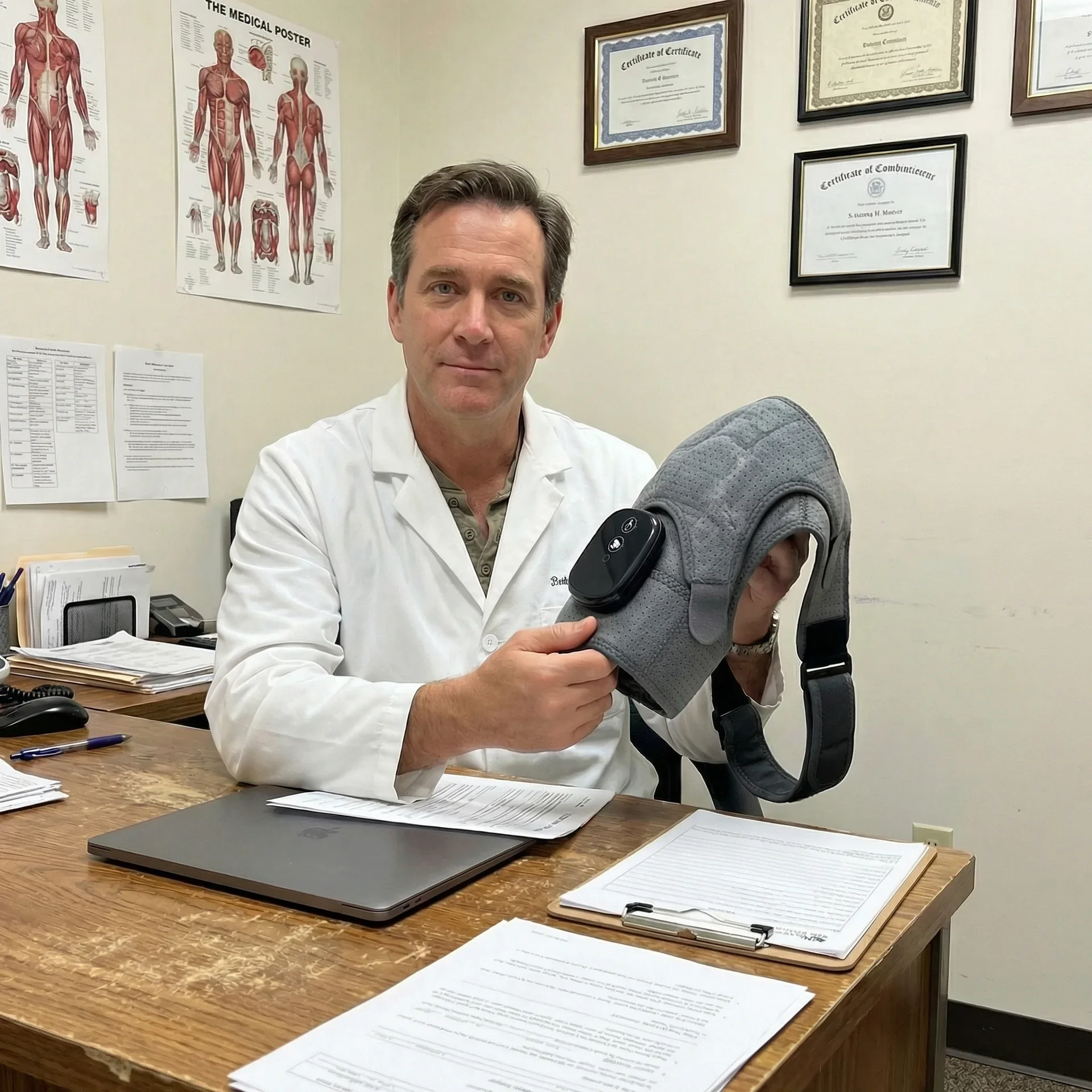
So why is he saying it now?
And why did it take 22 years?
The answer is uncomfortable.
The standard treatment path — physio, injections, painkillers, surgery — generates billions every year.
Not because it works.
Because it keeps you coming back.
A patient who gets better doesn't need another appointment.
A patient who gets temporary relief — and then slides back — does.
Nobody sat in a room and decided to keep you in pain on purpose.
But the system was never designed around fixing the root cause.
It was designed around managing symptoms.
Repeat visits. Repeat prescriptions. Repeat procedures.
That's what pays the bills.
And the one thing that actually drives long-term shoulder pain — restricted blood flow to the joint — doesn't have a billable appointment attached to it.
So it never became part of the standard conversation.
Until now.
If This Sounds Like Your Life Right Now — Keep Reading
How long have you been dealing with this?
Six months? A year? Longer?
Because if you're like most people — you've already tried to fix it.
You've done the physio.
You've had the injections.
You've taken the medication.
You've worn the brace, used the heat pad, done the stretches.
And every single time — it helped a little. For a while.
Then it came back.
And now you're here. Reading this.
Which tells me one thing.
You haven't given up. But you're running out of reasons to hope.
Does Any Of This Sound Familiar?
You wake up at 2am.
Not because of an alarm. Not because of noise.
Because you rolled onto your shoulder in your sleep — and the pain shot through your whole arm.
You lie there trying to find a position that doesn't hurt.
There isn't one.
Morning comes and the shoulder is stiff and heavy.
It takes ten minutes just to get dressed.
Reaching behind your back feels impossible.
Putting on a jacket. Doing up a bra. Reaching a shelf.
Things you used to do without thinking.
Now they're things you dread.
During the day you manage.
You've learned to work around it.
To reach with the other arm. To ask for help.
But that's the part nobody talks about.
Not the pain itself.
The slow, quiet loss of the things you used to do freely.
"I didn't realise how much the shoulder controlled until it stopped working. Everything became a negotiation."
You've sat in waiting rooms and been told one of two things.
"Give it time."
Or: "We could look at surgery."
Neither felt right.
Because deep down you already know — time hasn't fixed it.
And surgery feels like giving up on finding a real answer.
You Were Right To Keep Looking.
Here's something most doctors won't say out loud.
A huge number of people with visible damage on their shoulder scan — torn tendons, worn tissue, structural wear — feel zero pain.
Zero.
Meanwhile — plenty of people with a perfectly clean scan are in severe, daily, life-changing pain.
Think about what that means.
The damage on your scan is not what's causing the pain.
Something else is.
And almost every standard treatment has been aimed at the wrong target.
The Moment Everything Changed
The moment I understood this — I was looking at two patients side by side.
Same age. Same diagnosis. Same MRI findings.
One was in constant, daily pain. Couldn't sleep. Couldn't lift his arm past his shoulder.
The other was playing golf twice a week.
On paper they were identical.
But there was one difference.
The patient who was living normally had been doing something the other hadn't.
Every evening, without fail, he applied deep heat directly to the joint. Held it there for fifteen to twenty minutes. Then did ten minutes of gentle movement straight after while the joint was still warm.
Nobody told him to do this.
He'd figured it out by accident.
It was the only thing that gave him a full day without pain.
I started asking other patients about it.
The same story kept coming up.
Heat helped. But only while it lasted.
The moment it stopped — the stiffness crept back.
That was the clue.
The heat wasn't just providing comfort.
It was temporarily doing what the shoulder couldn't do on its own.
Increasing blood flow to the joint.
The moment the heat stopped — the blood flow dropped.
And the pain returned with it.
That was the day everything changed for me.
Not because heat was the answer.
But because it told me exactly what the real problem was.
The joint wasn't getting enough blood.
And if I could find a way to keep that blood flowing — consistently, deeply, directly at the joint — the shoulder would finally have what it needed to stop hurting.
That's what took 22 years.
Not the discovery itself.
Finding a way to deliver it consistently enough to actually work.

So What's Actually Causing The Pain?
Inside your shoulder joint there's an area of the rotator cuff that already has poor blood supply — even in healthy people.
Specialists call it the "critical zone."
It's the weakest point in the joint.
When blood flow to that area slows down — everything starts to break down.
Waste builds up in the tissue.
The joint can't repair itself.
The muscles tighten up to protect the area — which cuts off movement and makes the stiffness worse.
Every morning your shoulder wakes up in exactly the same state as the day before.
Nothing changes.
Because nothing is giving it what it needs to change.
Here's The Part That Should Make You Angry.
The treatments you paid for?
The ones you placed real hope in?
They were never built to fix this.
Physio helps you move — but can't keep blood flowing between sessions.
Injections reduce swelling for a while — but the moment they wear off the same conditions return.
Heat pads work on the surface — but surface warmth fades in minutes and never reaches the tissue that actually needs it.
Painkillers block the pain signal — but the cause sits there. Untouched.
Surgery, in many cases, fixes something on the scan that wasn't causing the pain in the first place.
Every single one of those treatments hits the same ceiling.
The ceiling where the blood flow problem starts.
You weren't failing the treatments.
The treatments were failing you.
There Is A Reason It Keeps Coming Back.
And now that you understand what it is — there's something else you need to know.
A circulation problem, once you address it directly and consistently, responds.
The stiffness is not permanent.
The pain is not permanent.
It is the result of a fixable problem that has simply never been properly targeted.
That changes now.
The Solution That Targets The Actual Problem
So if restricted blood flow is the real cause —
The answer is a therapy that goes straight to it.
Not heat on its own.
Not vibration on its own.
Not compression on its own.
All three. At the same time. On the same joint. In the same session.
Rehabilitation specialists have known this for years.
Patients who receive multiple therapies at the same time recover faster, feel more relief, and hold onto that improvement longer.
The effects don't just add up.
They compound.
Until recently — getting all three therapies together meant clinic visits, referrals, and costs that made daily use impossible.
That's changed.
Introducing The MotionRestore Shoulder Therapy System
A wearable device built specifically for the shoulder joint.
It delivers targeted heat, compression, and vibration — all at the same time — in a 12-minute daily session.
At home.
No clinic. No appointment. No waiting weeks to be seen.
Each session builds on the last.
The circulation response improves over time.
And so does everything else.
Here's What Each Therapy Does
🔥 Heat Opens the blood vessels directly at the joint. Produces the deep, warming looseness that shoulder sufferers describe as their one reliable window of relief. Unlike a surface pad — the heat stays held against the exact spot that needs it.
⬤ Compression Actively drives fresh, oxygenated blood into the joint tissue. Doesn't wait for circulation to improve on its own. The same method used in clinical therapy — applied directly to your shoulder.
〰 Vibration Works with your body's own pain pathways. Reduces the intensity of pain signals. Releases the protective muscle tension that causes so much of the stiffness and blocked movement. Not massage. Pain modulation.
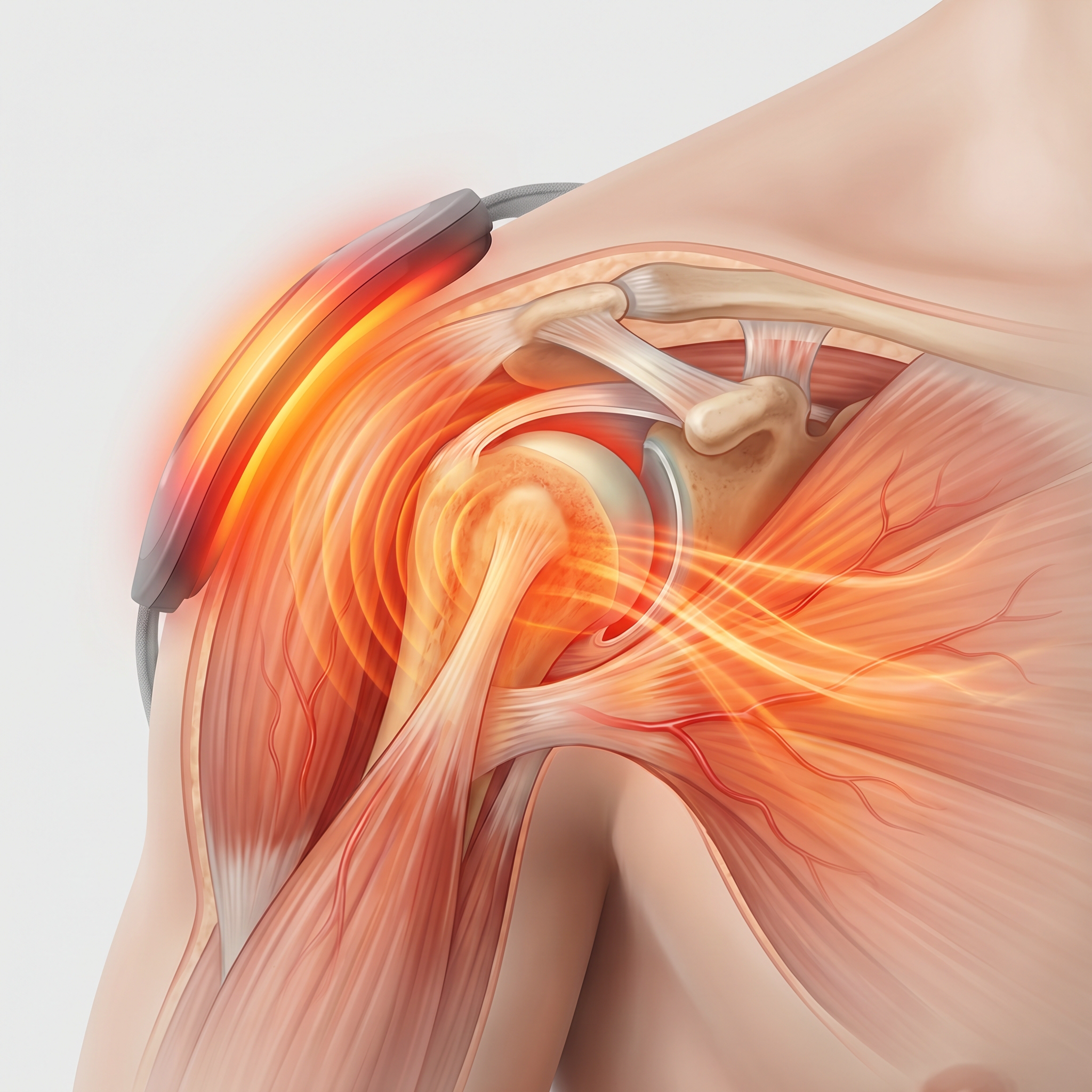

Used together — these three therapies create what the MotionRestore team calls Triple Therapy Circulation Activation.
Heat opens the pathway.
Compression drives fresh blood through it.
Vibration quiets the pain signals and releases the surrounding tension.
The joint finally gets what it has been missing.
What That Means For Your Daily Life
✓ Sleep through the night again. Night pain is the main reason people hit a breaking point with shoulder problems. Most MotionRestore users report meaningful improvement in sleep within the first two weeks. Because the evening session reduces the inflammation that causes night waking.
✓ Get your range of motion back. The stiffness that makes daily tasks impossible comes from the circulation problem — not the structural damage. As circulation improves session by session — the protective tightening releases. Movement returns gradually. Without forcing it.
✓ Cut down on medication. When the pain signal reduces because the underlying driver is being addressed — the need for painkillers reduces with it. Many users report cutting their medication significantly within the first month.
✓ 12 minutes a day. At home. No appointments. The daily effect of consistent sessions produces results that once-a-week physio simply cannot. Because the circulation problem is being addressed every single day. Not just when you can get seen.
Your Other Options — And What They'll Actually Cost You
Let's be straight.
Most people reading this already know what the alternatives look like.
Another injection when the last one wears off.
More painkillers. More waiting rooms. More “give it time.”
Because nothing in this pathway touches the circulation problem.
But the numbers are sobering.
Re-tear rates are significant.
Recovery takes months.
High cost. Long recovery. No guarantee it fixes the circulation issue driving the pain.
But restricted circulation doesn’t fix itself.
It gets worse.
Every month without action is another month of compounding restriction.
Another injection when the last one wears off.
More painkillers. More waiting rooms. More “give it time.”
Because nothing in this pathway touches the circulation problem.
But the numbers are sobering.
Re-tear rates are significant.
Recovery takes months.
High cost. Long recovery. No guarantee it fixes the circulation issue driving the pain.
But restricted circulation doesn’t fix itself.
It gets worse.
Every month without action is another month of compounding restriction.
MotionRestore costs a fraction of any of these alternatives.
And it's the only option that directly addresses the circulation problem keeping your shoulder stuck.
Not as a replacement for medical advice.
As the most effective, lowest-risk first step available.
The Shoulder You Had Before — It's Not Gone. It's Waiting.
The pain you're living with is not permanent.
It is not the unavoidable result of age, injury, or bad luck.
It is the result of a circulation problem that has never been properly addressed.
And a circulation problem, once addressed directly, responds.
You've already spent months — maybe years — trying treatments that were solving the wrong problem.
MotionRestore is built around the right one.
🛡 90-Day Full Money-Back Guarantee
Try MotionRestore for 90 days.
Use it daily as directed.
If you don't feel a meaningful difference in your shoulder pain, sleep quality, and range of motion — return it for a full refund.
No questions asked.
The only risk is spending 90 days with less shoulder pain than you have today.
Your Shoulder Pain Has A Cause. Now There's A Solution Built Around It.
Join thousands of people who've stopped managing shoulder pain and started actually recovering from it.
Drug-free. At home. In 12 minutes a day.
Check Availability & Pricing →
✓ 90-Day Money-Back Guarantee| ✓ Drug-Free & Non-Invasive
What People Are Saying
★★★★★
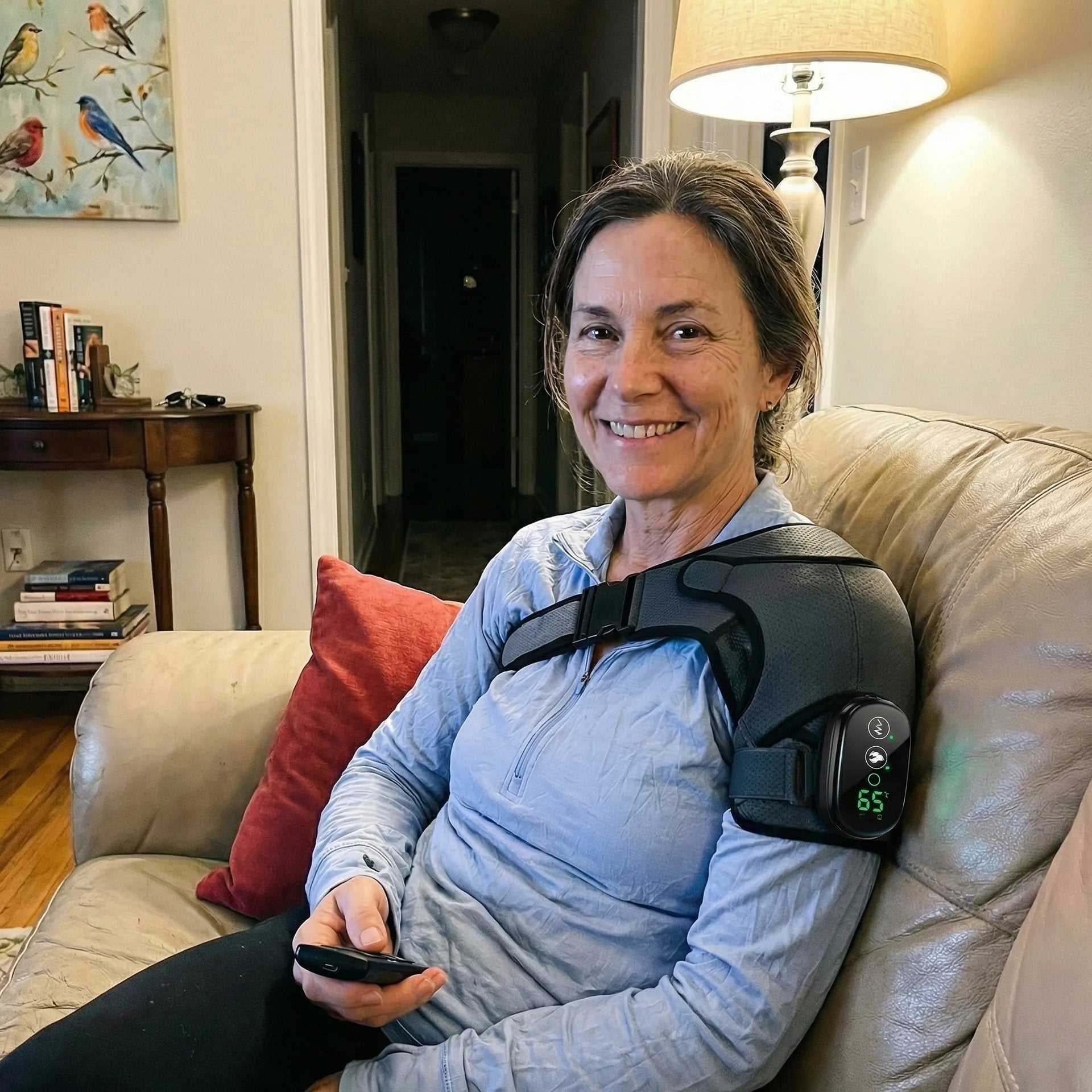
"I'd had shoulder pain for three years. Tried physio, injections, two different braces. Nothing stuck. Two weeks with MotionRestore and I slept on my side for the first time since 2022. I genuinely didn't think anything would ever work."
Linda H., 61Manchester, England
Individual results may vary*
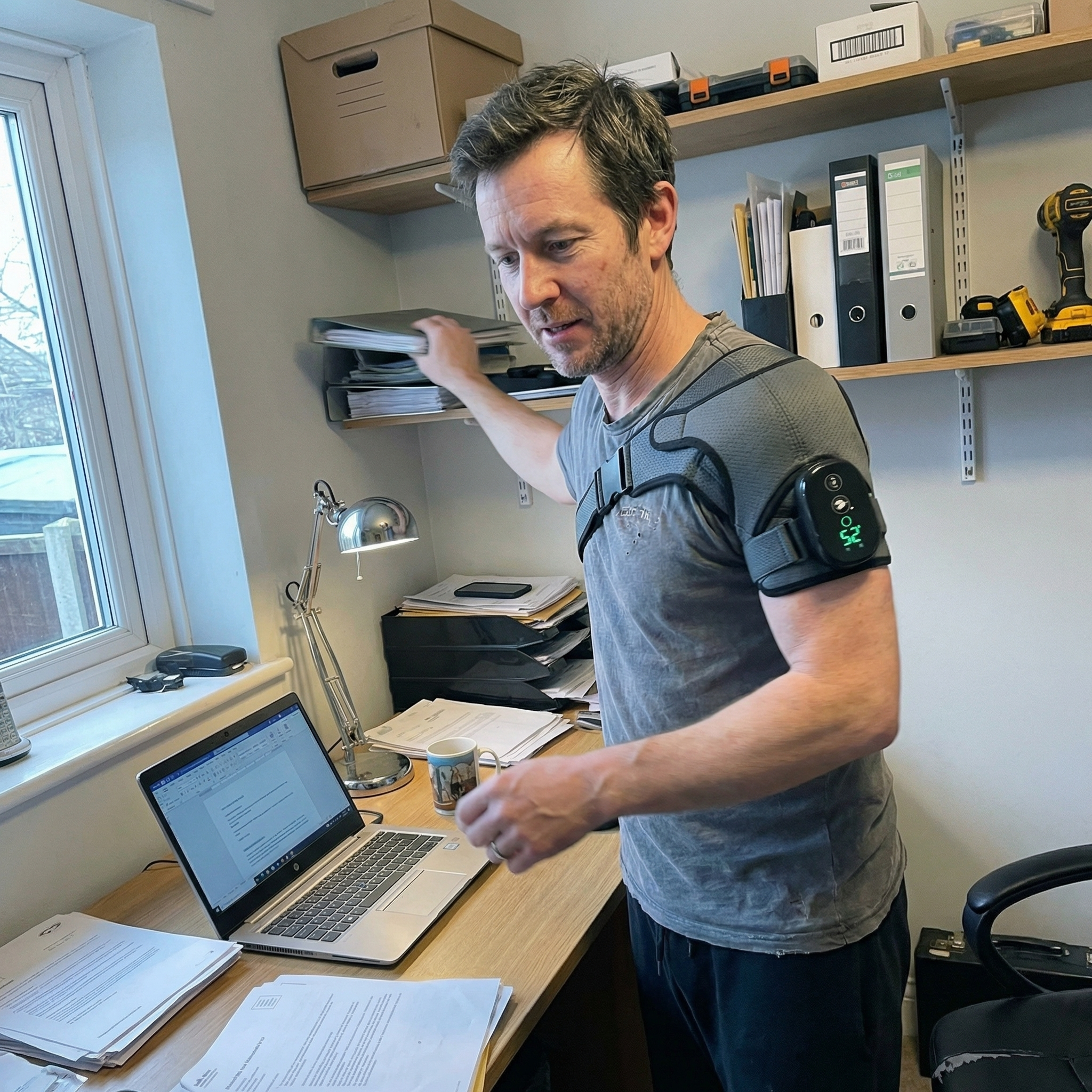
Marcus D.Birmingham, England
Two years of physio and injections. The MotionRestore is the first thing that made a real difference. Week one I slept through the night. Week three I was back at the gym.
Individual results may vary*
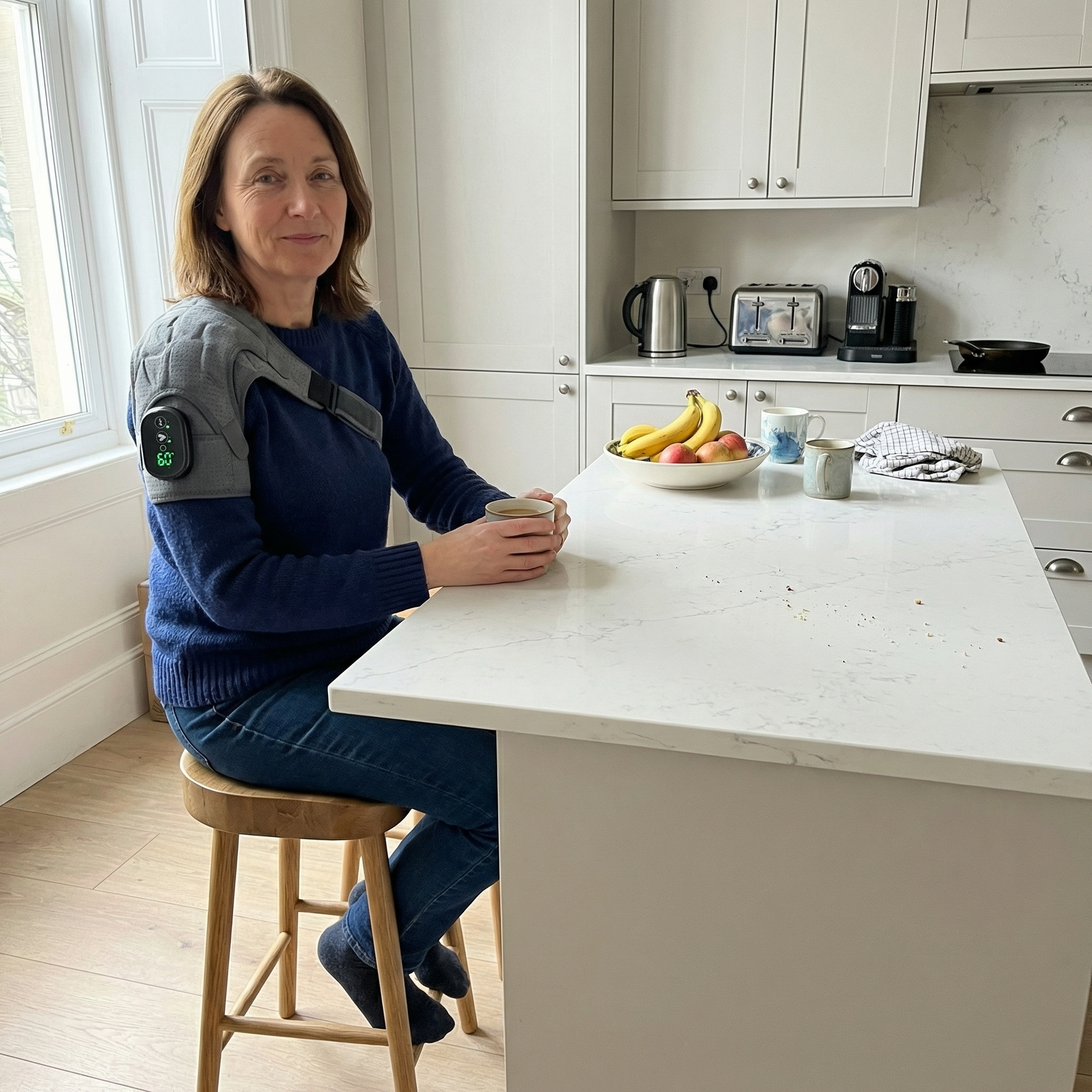
Karen L.Edinburgh, Scotland
I was told surgery was probably the next step. A month in I've got most of my movement back. My consultant told me to keep doing whatever I'm doing.
Individual results may vary*
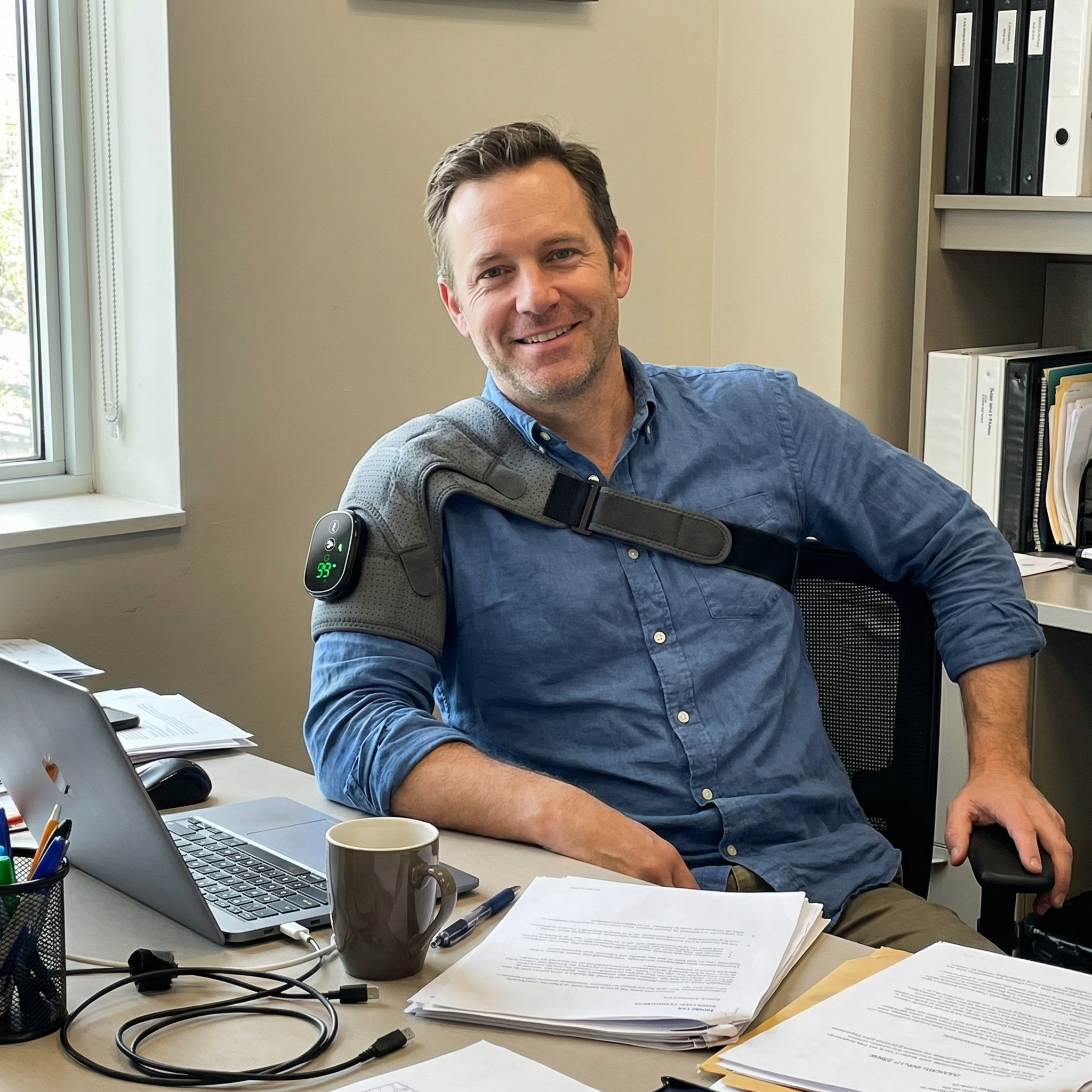
Tom R., 38Bristol, England
It gets into the joint in a way a heat pad never could. Three weeks in and I'm training again without bracing for pain every rep.
Individual results may vary*
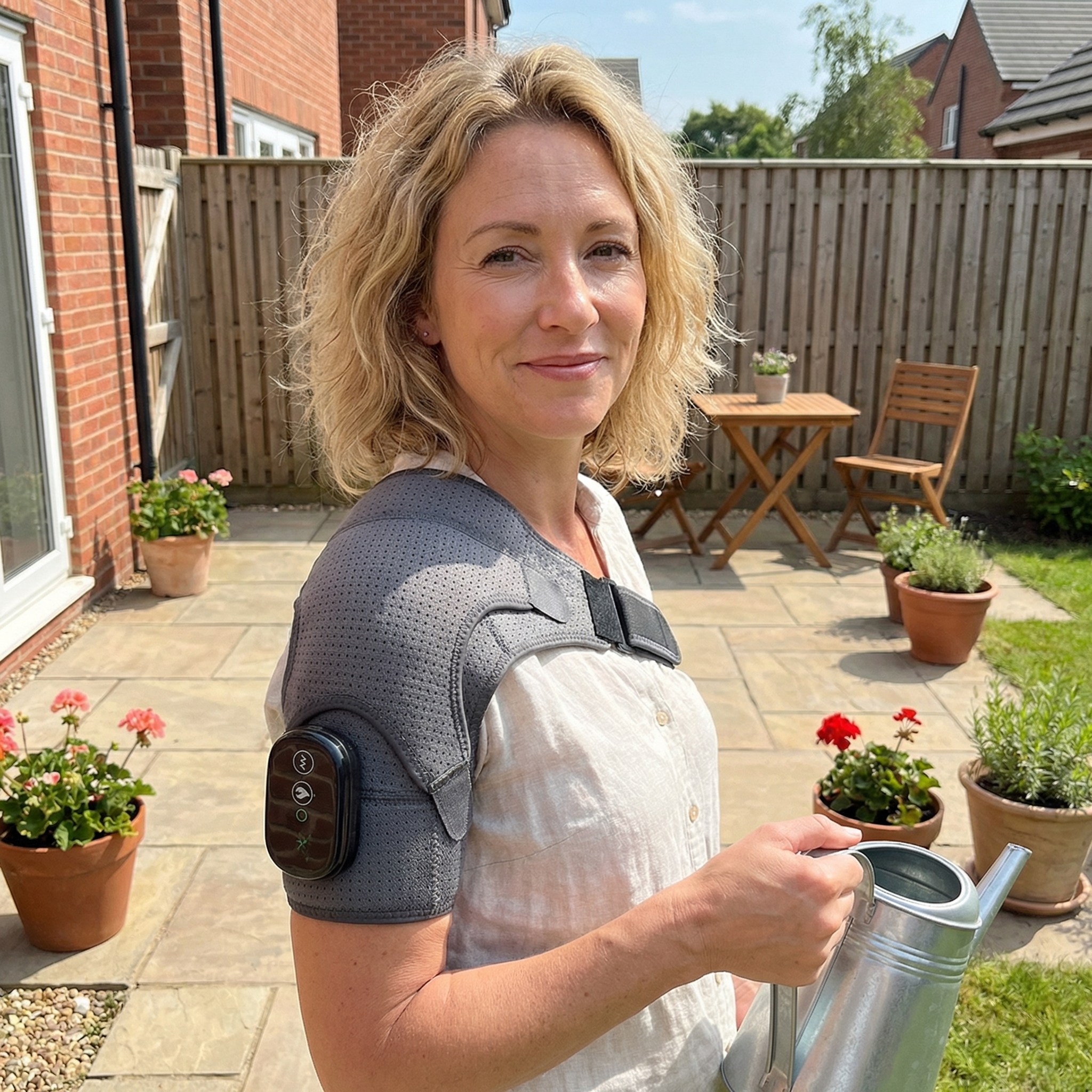
Rachel M., 44Leeds, England
I stopped waiting for the shoulder to fix itself. I stopped waiting for a doctor to have a better answer. This is the better answer.
Individual results may vary*
Advertising Disclosure: This page is an advertisement and not a news publication. Content has been prepared for marketing purposes. Individual results described are not typical and may vary. This is not medical advice — consult a qualified healthcare professional about your specific condition before starting any new treatment. MotionRestore is a consumer wellness device and does not claim to diagnose, treat, cure, or prevent any medical condition.